Category Archives: Sustainability and Resource Management

Cleaning up Kunming’s Dianchi Lake, Part 2

Zhou Dequn’s post, “Cleaning up Kunming’s Dianchi Lake” discussed the origins of and contributing factors to the lake’s pollution.  His post also briefly discussed a few of the measures used to raise the quality of Dianchi’s water in recent years. The marked improvement of Kunming’s groundwater quality was recently profiled in this New York Times video.

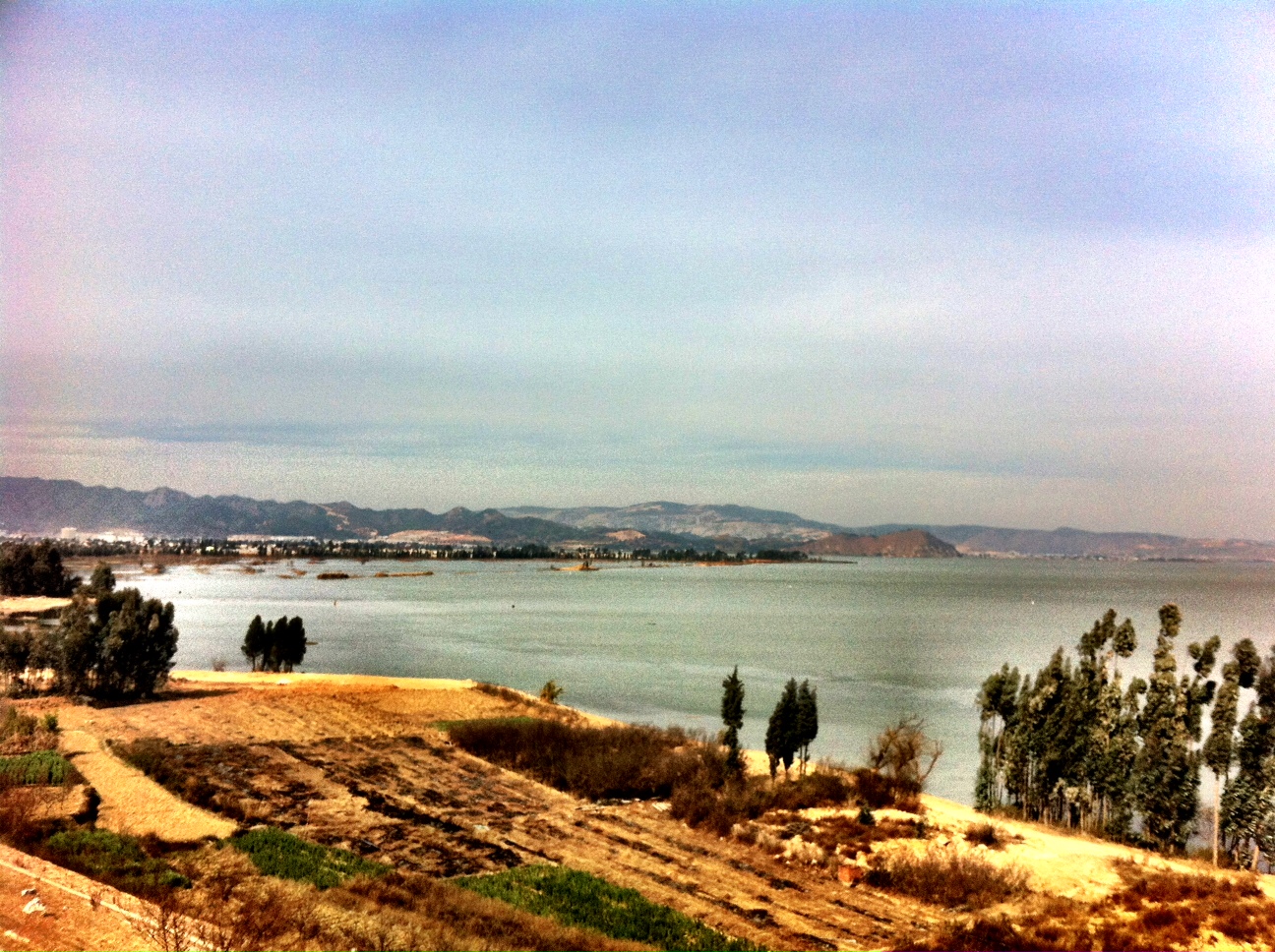
Dianchi south

PHOTO: Dianchi’s southern shoreline

Continue reading

1 Comment

Filed under China, Economic development, Environment and sustainability, Sustainability and Resource Management, water

Where have all the fish gone? Killing the Mekong dam by dam

The Mekong, a river of wildly majestic fast-flowing currents flowing through six countries, has long enchanted explorers with its rich biodiversity second only to the Amazon.

It is home to the Giant Catfish, and at least 877 fish species sustaining food security for around 65 million people which make the Mekong the world’s most important centre of freshwater fisheries.

“For the people born on the Mekong, the river is like their blood—the principle of life,” says Dorn Bouttasing, a Lao environmental researcher.

Surely it is unthinkable that man would want to endanger or destroy the basis of such extraordinary natural wealth? Such invaluable natural resources, their infinite value defies any attempt to measure with a crude price tag.

My documentary Where Have All the Fish Gone? (Eureka Films) looks at the four Chinese hydropower dams that have been already built on the Lancang (The Chinese name for the upper Mekong), but its main focus is on the Lower Mekong basin shared by Laos, Myanmar, Thailand, Cambodia and Vietnam.

Continue reading

Leave a Comment

Filed under Cambodia, China, Current Events, Economic development, Energy, Environment and sustainability, Food, Foreign policy, GMS, Governance, Laos, Mekong River, Sustainability and Resource Management, Thailand, Vietnam, water

Eating Insects in Southwest China

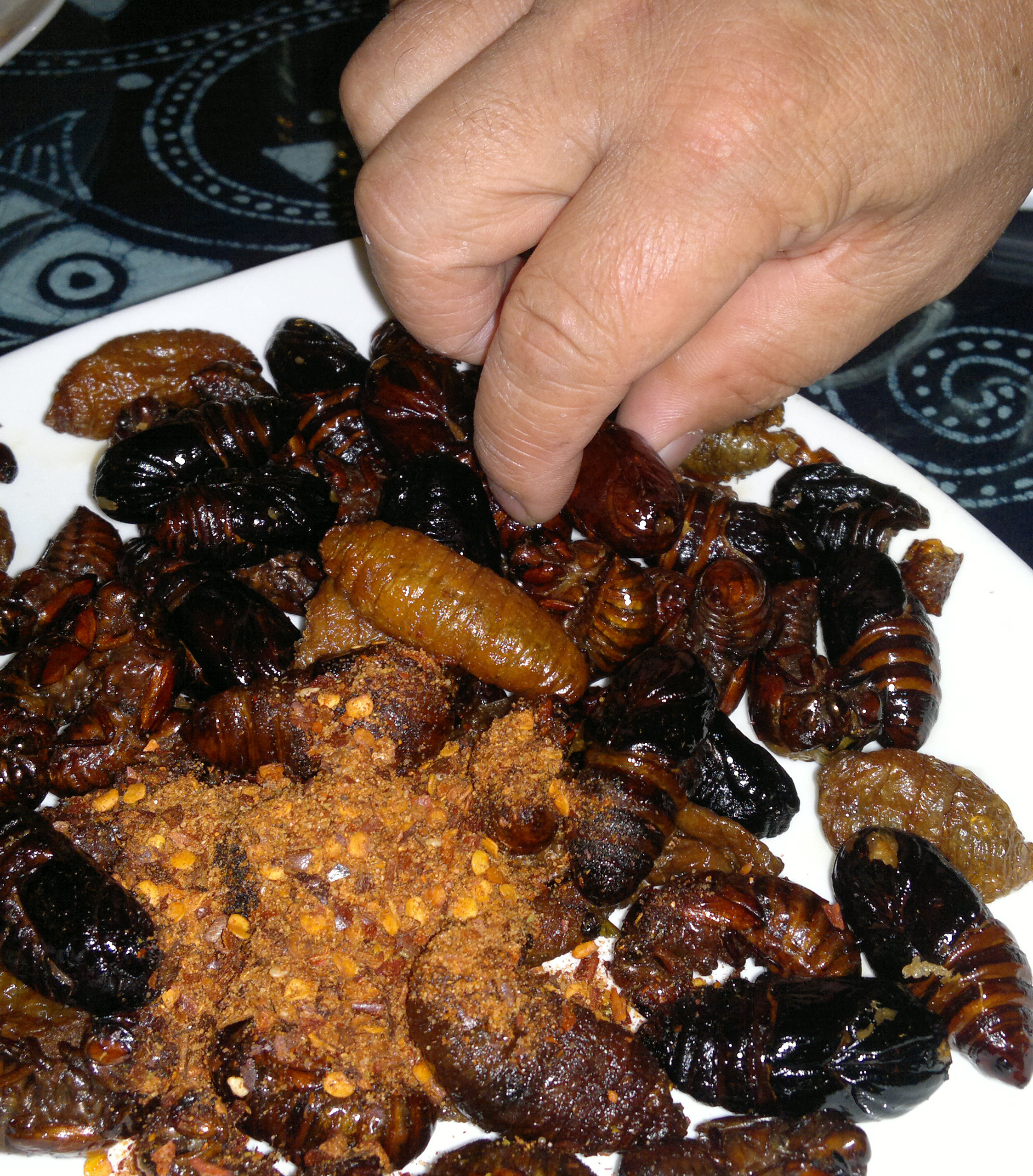
A plate of assorted bugs at Simao Yecai Guan.

A plate of assorted bugs at Simao Yecai Guan.

Simao Yecai Guan, a small Jingpo minority restaurant in the southern part of Kunming, has been made famous by its menu of local wild foods. In addition to serving up odd delicacies like bamboo rat, giant Mekong catfish, ferns, fungi and all sorts of wild vegetables, the restaurant also offers a variety of edible insects.

“We grew up eating these,” one woman says holding up a fried grasshopper. “Sure, when you think about what you’re eating, it can seem kind of gross. But they are tasty.” She sits at just one of the 15 large tables of a wedding party where everyone is chowing down on the little crispy critters.

Grasshoppers aren’t the only bugs on the menu. Simao Yecai Guan also fries up cicadas (legs and wings still attached), giant coconut tree grubs and black armored insects about the size of a thumb, called chestnut bugs. With prices ranging from 48-68 yuan ($8-$11) per dish, the restaurant claims to sell more than 1000 yuan ($160) per day in insects alone.

Although many of us may cringe at the thought, nearly one in three people on the planet eats insects as a part of their diet. As food prices continue to soar and many parts of the world face starvation, more people are starting to agree that insects can be a viable food source. With more than 1,900 known edible insect species, and an estimated 40 tons of insects to every person, it’s difficult to deny that it just might be worth getting past our squeamishness when it comes to eating bugs. Continue reading

3 Comments

Filed under China, Environment and sustainability, Food, Sustainability and Resource Management